30
%of Indigenous adults experience high psychological distress more than twice the rate of non-Indigenous Australians.

We support Aboriginal and Torres Strait Islander wellbeing through accredited initiatives that foster resilience and empowerment.
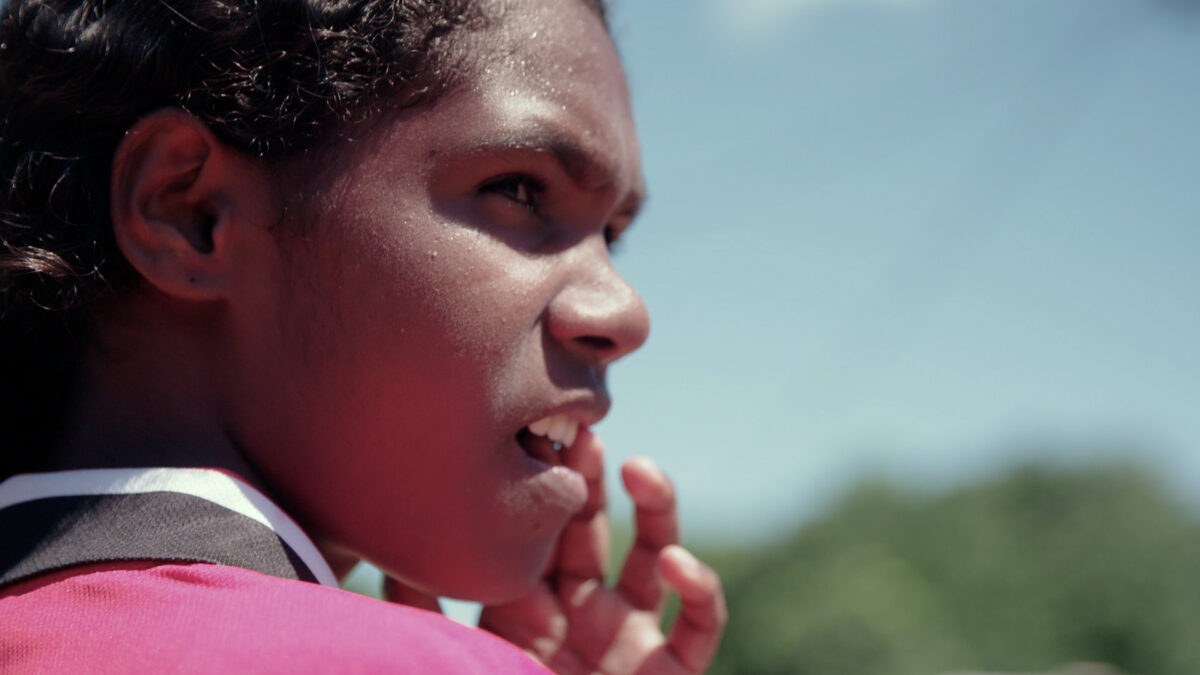
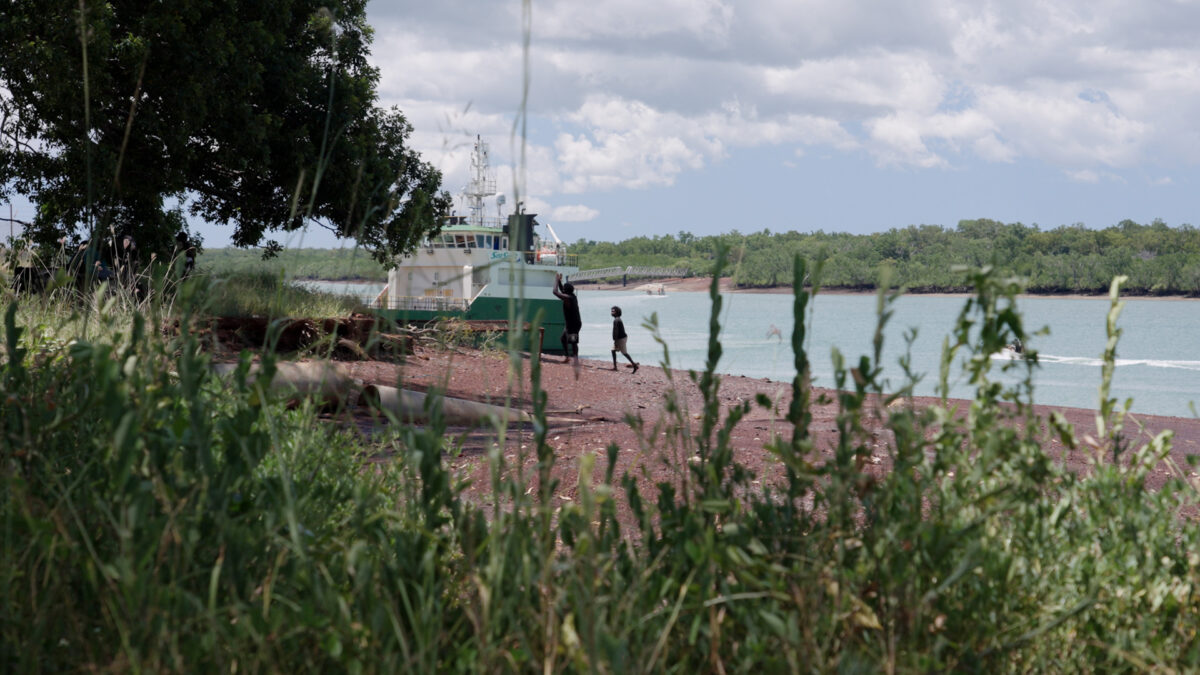
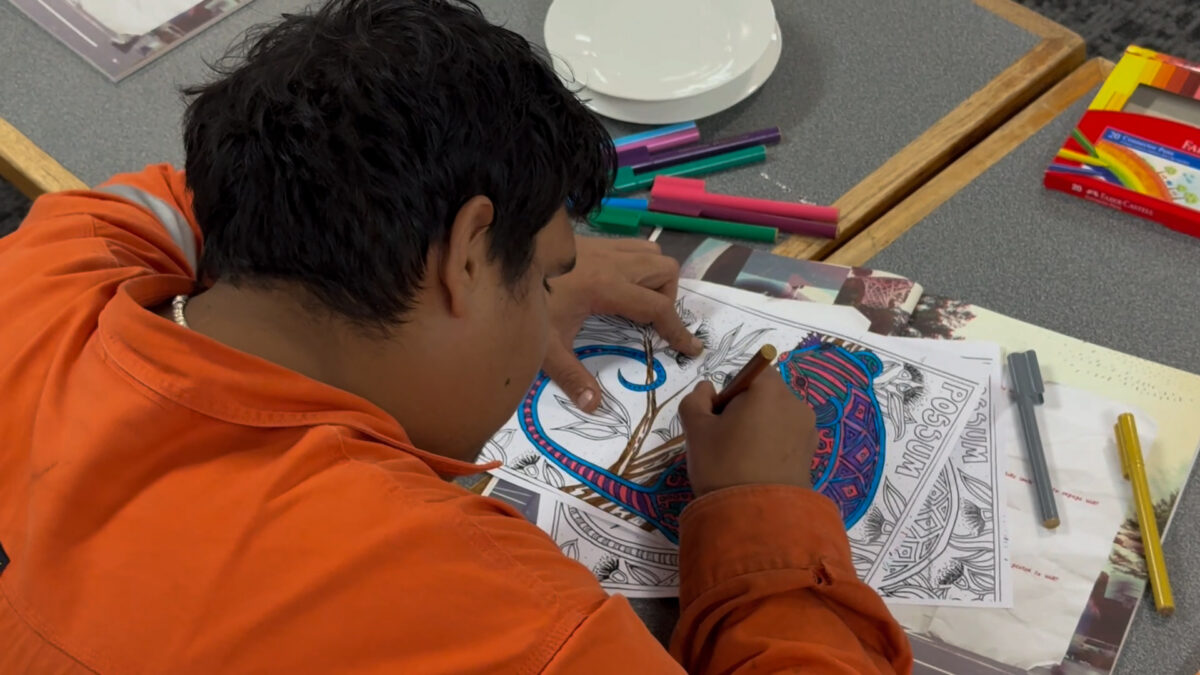
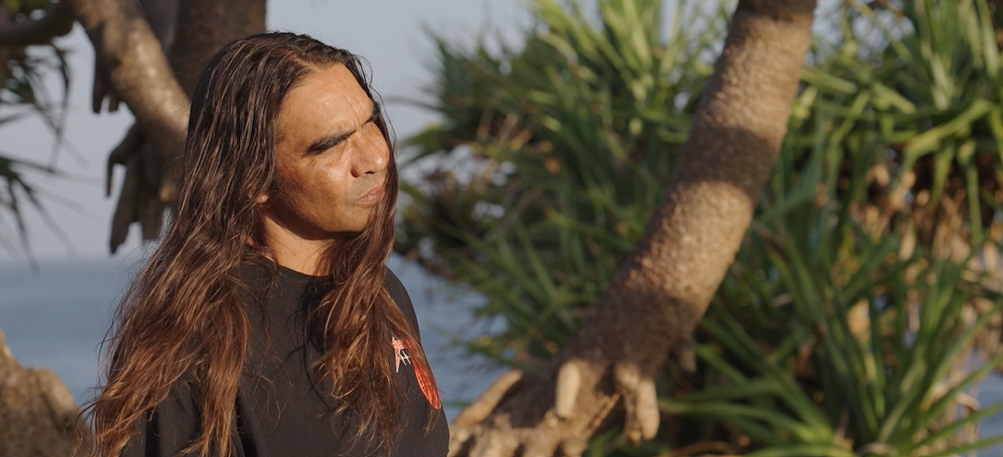
Mental health challenges in Aboriginal and Torres Strait Islander communities are a critical issue, with rates of psychological distress more than twice as high as those in non-Indigenous Australians. Despite the urgency, significant barriers prevent access to culturally safe wellbeing support.
30
%of Indigenous adults experience high psychological distress more than twice the rate of non-Indigenous Australians.
21
%of Indigenous Australians experience anxiety With Indigenous women most impacted, at 25%.
31
%of Indigenous Australians aged 15 and over seek mental health support most access support from GPs, counselling, and psychologists.
Mental health disparities for Aboriginal and Torres Strait Islander peoples remain significant, with around 30% of Indigenous adults experiencing high or very high psychological distress, which is around twice the rate of non-Indigenous Australians. Despite this ongoing need, only about one-third (31%) of those experiencing high distress access mental health support, based on the latest available national data. This gap reflects persistent barriers, including systemic inequities, stigma, and a lack of culturally safe and accessible services.
To address these inequalities, mental health support must be culturally informed, trauma-sensitive, and strengths-based. Our approach prioritises respect for cultural identities and empowers individuals and communities to seek support in ways that are safe, relevant, and effective, fostering resilience and enabling meaningful, long-term change.
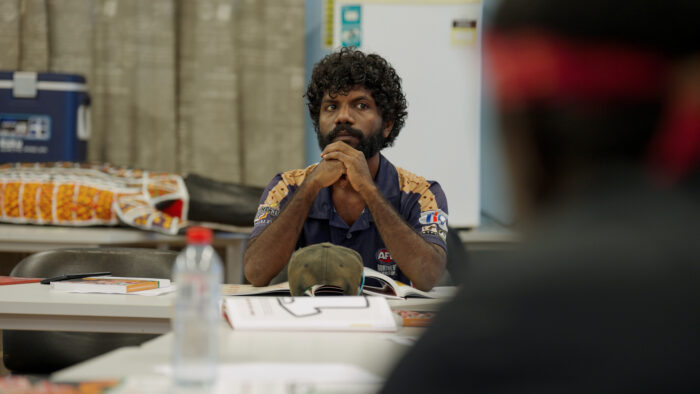
We deliver culturally safe wellbeing training to empower Aboriginal and Torres Strait Islander communities.